
How Much Does a Luxury Cabin Cost in 2026? | Ohmees Investment Guide
SHORT TERM RENTALSCABIN DESIGN
3/1/20264 min read
In 2026, a true luxury short term rental cabin typically costs between $280 and $450 per square foot to build, with total development costs ranging from $420,000 to $900,000 for a 1,200 to 1,600 square foot asset. That includes construction, site work, professional fees, utilities, and furnishing. The number alone is not what determines success. What matters is whether that cost structure supports your target ADR, maintains 60 percent plus occupancy, and positions the asset above commodity inventory in your market. A lower build cost that cannot sustain premium pricing is often the more expensive mistake.
What Drives Luxury Cabin Construction Costs in 2026
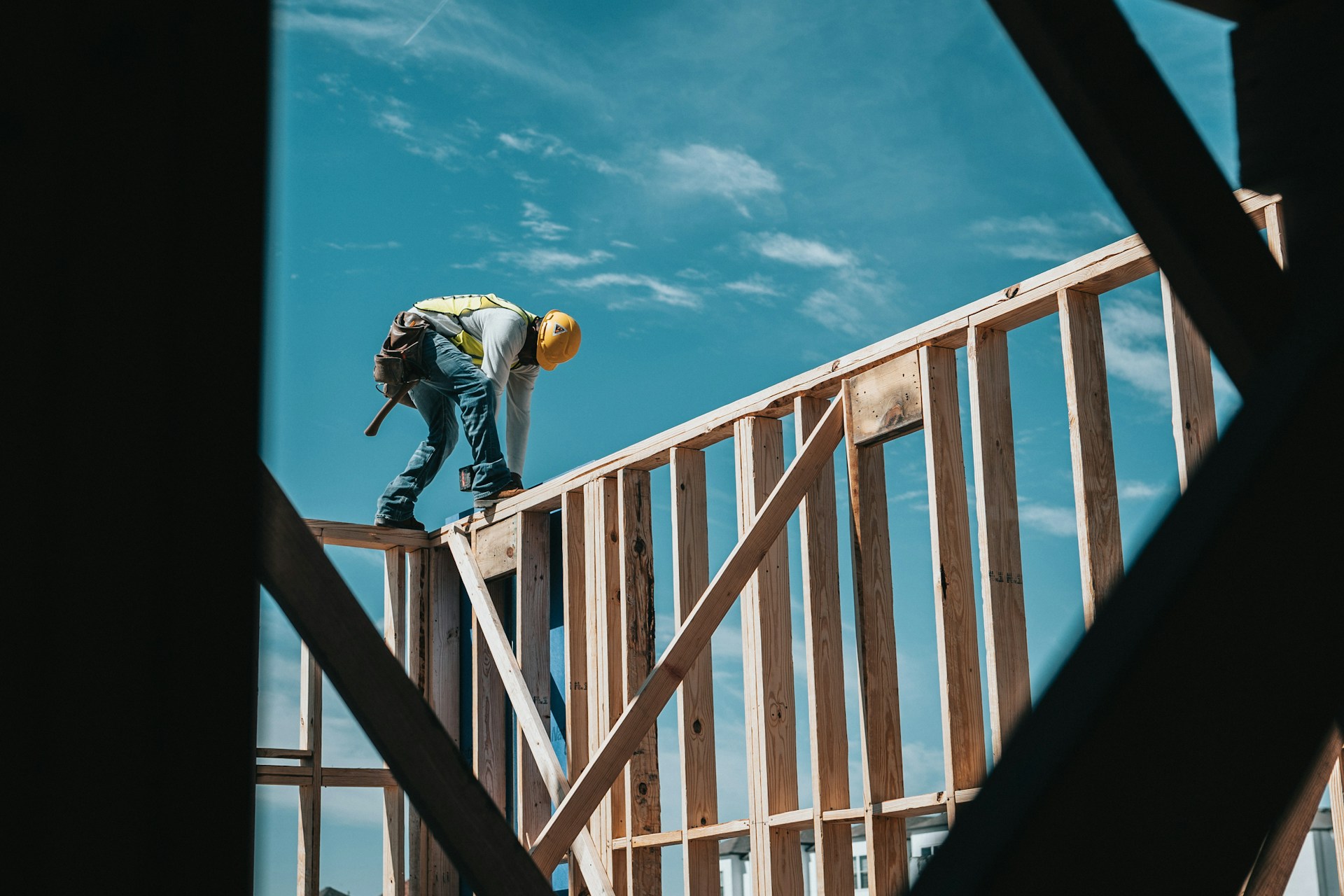
Material pricing has stabilized compared to prior years, but labor and compliance costs remain elevated in most high demand STR markets. In mountain regions and regulated counties, foundation engineering, fire mitigation standards, and structural requirements can materially increase total spend.
Design complexity also affects cost. Large glazing systems, tall ceilings, custom millwork, and extended covered decks increase both structural and finishing budgets. Many investors underestimate how quickly architectural ambition translates into structural engineering and framing costs.
Amenities now play a central role in pricing strategy. A sauna, outdoor spa zone, cold plunge, or fitness space is no longer decorative. These features directly influence conversion rate and nightly pricing power. The build cost impact may range from $15,000 to $60,000 depending on scope, but in competitive markets they often justify themselves through higher ADR and stronger year round demand.
Total Development Cost Beyond the Structure
Construction is only one layer of capital allocation. Site preparation varies widely by terrain. Flat, accessible land near utilities may require minimal intervention. Steep or remote land can add significant grading, retaining, drainage, and utility extension costs. In some markets, site work alone can exceed six figures.
Professional fees should be modeled conservatively. Architectural adaptation, structural engineering, permitting, and planning visuals often range between 8 and 15 percent of build cost. Investors who attempt to compress this phase frequently encounter delays, redesigns, or inspection issues later.
Furnishing and setup must align with your pricing strategy. A cabin targeting a $450 ADR cannot be furnished like a mid tier Airbnb. Interior quality, lighting, bedding, and outdoor experience directly influence reviews and repeat demand. Underinvesting in this phase reduces revenue more than it saves in capital.
What a Realistic Budget Looks Like in 2026
A performance oriented 1,500 square foot luxury cabin in a strong STR market will often land between $550,000 and $750,000 all in, excluding land. Premium hospitality grade builds in top tier destinations can exceed that range. Entry level luxury positioning may sit closer to $450,000 to $550,000, but it will compete in a more crowded segment.
Land cost varies significantly depending on region. Markets such as Tennessee, North Carolina, Colorado, and Texas show wide spreads based on proximity to tourism corridors and buildable terrain. Scenic lots command premiums and often increase structural cost at the same time.
Cost Versus Revenue Performance
A luxury cabin should be evaluated through revenue modeling before design is finalized. If your projected ADR is $475 with 60 to 65 percent occupancy, gross revenue may exceed $100,000 annually in strong markets. That can justify higher construction spend if operating costs and debt service remain controlled.
By contrast, a lower cost cabin targeting $275 to $325 ADR in an oversupplied market may struggle to reach similar revenue levels, even if initial capital outlay is lower. The margin between commodity and premium positioning often determines long term viability.
Investors who focus only on minimizing build cost often compress their ceiling on ADR. In 2026, differentiation supports pricing power. Pricing power supports resilience during seasonal dips and market slowdowns.
Build or Buy in 2026
Acquiring an existing luxury cabin can reduce timeline risk, but many properties built between 2021 and 2023 are already dated in layout or amenity mix. Buying may also limit your ability to optimize flow, outdoor orientation, and guest experience.
Building allows controlled positioning. You can design specifically for your market, optimize bedroom configuration for revenue per square foot, and align amenities with demand patterns. The key is disciplined pre construction modeling and conservative underwriting.
Strategic Perspective for Investors
Luxury cabin development in 2026 is not about aesthetic preference. It is about building a hospitality asset that commands premium pricing and maintains relevance over a ten year horizon. Higher upfront capital is justified only if it protects occupancy, supports strong reviews, and creates defensible positioning.
The wrong cabin becomes a price competitor. The right cabin becomes a category leader in its submarket.
FAQ
How much does it cost to build a 1,500 sq ft luxury cabin in 2026?
In most established STR markets, expect between $550,000 and $750,000 all in, excluding land. Terrain, design complexity, and amenity scope are the primary cost drivers.
Are luxury cabins more expensive to insure in 2026?
In wildfire prone or remote mountain regions, insurance premiums have increased. Proper site planning, defensible space, and compliance with local codes can reduce long term risk exposure and underwriting friction.
Do amenities like saunas and hot tubs really increase revenue?
Yes, in competitive markets they often justify higher ADR and improve booking conversion. The return depends on market saturation and positioning. Amenities must align with guest expectations at your price point.
Is it cheaper to build in rural areas?
Land may be cheaper, but remote access, utility extension, and limited contractor availability can increase construction cost. Lower land pricing does not automatically mean lower total development cost.
What is the biggest financial mistake investors make when building a luxury cabin?
Underestimating total project cost and overestimating achievable ADR. Conservative modeling, realistic occupancy assumptions, and disciplined capital allocation reduce downside risk.
Luxury cabins in 2026 remain profitable in the right markets with the right positioning. Cost matters, but performance modeling matters more.
Learn more about how we help with creating profitable STR's
© 2025. All rights reserved.
Ohmees is a wholly owned subsidiary of KHALIQ DESIGN STUDIOS Ltd Liability Co.